Before getting a ceramic coating, have your vehicle's paint inspected, thoroughly washed and decontaminated, and corrected if necessary. The surface should then be cleaned of remaining oils and residue before the coating is applied. A professional ceramic coating installer should handle these preparation steps in a controlled environment to help achieve a clean, consistent bond.
Table of Contents
ToggleKey Takeaways
- Proper preparation is one of the most important parts of a successful ceramic coating installation.
- Your vehicle should be thoroughly washed and decontaminated before the coating is applied.
- Iron and other embedded contaminants may need to be removed with specialized decontamination treatments.
- Paint correction is not required for every vehicle, but existing swirls or paint imperfections should be evaluated before coating.
- The surface should be free of oils, residue, and other contaminants before the coating is applied.
- A clean, controlled environment helps reduce contamination during the coating process.
- Professional ceramic coating installation is about more than applying the coating itself; preparation, application, and curing all matter.
Why Does Preparation Matter Before Ceramic Coating?
A ceramic coating is designed to bond to the vehicle’s surface. That means anything left underneath it can affect the final appearance and the quality of the application.
Dirt is an obvious problem, but preparation involves more than simply washing the vehicle. Embedded contaminants, iron particles, oils, residue, water spots, and paint imperfections may all need to be addressed before the coating is applied.
At Auto Film Specialists, we place a significant emphasis on preparation as part of our ceramic coating process. Our process includes deep cleaning and decontamination, added paint correction when needed, surface preparation, coating application, and curing.
In other words, the coating is only one part of the job. The condition of the surface underneath matters too.
Step 1: Start With a Thorough Vehicle Inspection
Before any preparation begins, we inspect the vehicle carefully.
We look at the paint for:- Swirl marks
- Light scratches
- Water spots
- Oxidation
- Embedded contamination
- Other visible surface imperfections
This inspection helps us determine what preparation the vehicle actually needs.
A newer vehicle may need less correction than an older or heavily used vehicle. Our goal isn’t to automatically add every possible service. It is to identify anything that could affect the final result before the coating is applied.
Step 2: Wash the Vehicle Thoroughly
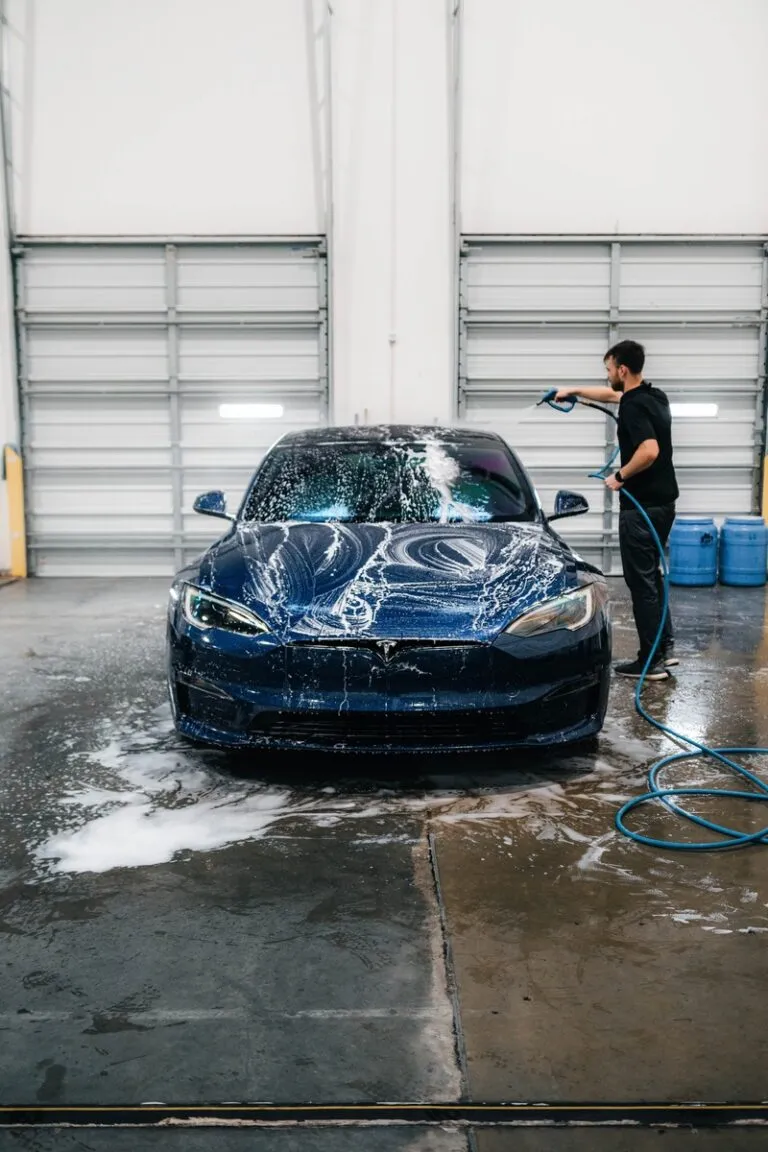
The first physical preparation step is a proper wash.
We use a hand wash with pH-neutral shampoo as part of our ceramic coating preparation process. We also use a commercial deionized water filtration system for vehicle preparation and ceramic coating applications.
A thorough wash removes loose dirt, dust, road grime, and other surface contaminants.
However, washing alone may not remove everything that has bonded to the paint. That’s why professional preparation continues beyond the initial wash.
Step 3: Remove Embedded Contaminants
Even after washing, a vehicle’s paint can contain contaminants that are difficult to see or remove with normal washing.
Our ceramic coating process includes iron and clay-bar treatment to remove embedded contaminants from the surface.
This step is important because the goal is to create a clean surface before applying the coating.
If contaminants remain on the paint, they can interfere with the smoothness and cleanliness of the surface being coated.
Step 4: Determine Whether Paint Correction Is Needed
Paint correction is an important part of ceramic coating preparation, but it should not automatically be treated as mandatory for every vehicle.
We specifically list paint correction “if needed” as the second stage of our ceramic coating process. We use machine polishing to address light swirls and imperfections before the coating is applied.
This distinction matters.
If the paint is already in excellent condition, extensive correction may not be necessary. If the vehicle has noticeable swirls, light scratches, or other imperfections, correcting them before coating can improve the final appearance.
A ceramic coating protects and enhances the surface; it isn’t a substitute for correcting paint defects that are already there.
Step 5: Make Sure the Surface Is Free of Oils and Residue
After washing, decontamination, and any necessary paint correction, the surface needs another preparation step before coating.
We use a residue-free panel wipe to remove remaining oils and contaminants. This creates a clean surface for the ceramic coating to bond to.
This is one of the reasons professional ceramic coating preparation goes beyond a normal car wash.
The goal is to remove anything that could remain between the coating and the vehicle’s surface.
Step 6: Use Clean, Purified Water During Preparation
Water quality can also matter during preparation.
We use a commercial-grade deionized water filtration system for our vehicle preparation and ceramic coating applications. Our system removes minerals and dissolved solids from the water used during the preparation process.
The purpose is to reduce mineral residue and water spots while preparing a clean surface for coating.
For a professional ceramic coating installer in Houston, the preparation environment and equipment are part of the overall installation—not just an optional extra.
Step 7: Prepare the Right Environment for Installation
Once the vehicle has been properly prepared, the coating needs to be applied in an environment where contamination can be controlled.
Our facilities are climate-controlled and use air filtration systems, while our ceramic coating process is performed in a controlled environment designed to reduce contamination, dust, and improper curing conditions.
This is especially important because a coating installation is not simply a matter of wiping a product onto the paint and leaving it there.
Clean surroundings and controlled application conditions help us work consistently across the vehicle.
Step 8: Choose the Right Ceramic Coating for Your Vehicle
Preparation is important, but the coating itself also needs to match the vehicle and the type of protection you’re looking for.
Our dedicated ceramic coating service uses graphene ceramic coatings. We offer these coatings for application directly to paint as well as PPF, wheels, and glass.
If you’re comparing professional ceramic coating services in Houston, ask which coating system is being used, where it can be applied, what preparation is included, and what maintenance the installer recommends afterward.
Don’t choose a coating based only on the product name.
The installation process matters too.
What If Your Car Already Has PPF?
Ceramic coating doesn’t necessarily have to be applied directly to factory paint.
Our graphene ceramic coating can be applied over PPF as well as paint, wheels, and glass. We also explain that ceramic coating and PPF can be combined to provide different types of vehicle protection.
PPF provides physical protection against road debris and impact-related damage, while ceramic coating adds hydrophobic properties, gloss, and protection from environmental contaminants.
If your vehicle already has PPF, tell us before the preparation process begins so we can select the appropriate coating and preparation method.
What Should You Avoid Before Getting Ceramic Coating?
If you’re preparing your vehicle for a professional ceramic coating service, avoid assuming that a quick wash is enough.
You should also avoid:
- Applying wax immediately before professional coating installation
- Leaving embedded contaminants on the paint
- Ignoring visible paint imperfections
- Assuming every vehicle needs the same level of paint correction
- Choosing an installer based only on the lowest price
- Applying a coating before the surface has been properly prepared
The goal is not simply to make the vehicle look clean. The goal is to prepare the actual surface that the coating will bond to.
Do You Need Paint Correction Before Ceramic Coating?
Not necessarily.
Paint correction depends on the existing condition of the vehicle’s paint. A car with minimal imperfections may require little or no correction, while a vehicle with visible swirls or light defects may benefit from machine polishing before coating.
We specifically include paint correction as an “if needed” step in our ceramic coating process.
This is a good reason to have the vehicle inspected by a professional before choosing a package.
If you’re looking for professional ceramic coating in Houston, ask us to explain whether your vehicle actually needs paint correction and what level of correction is appropriate.
Why Choose a Professional Ceramic Coating Installer in Houston?
Professional ceramic coating installation involves considerably more than applying the coating.
At Auto Film Specialists, our defined preparation and installation process includes:
- Deep cleaning and decontamination
- Paint correction when needed
- Surface preparation
- Ceramic coating application
- Curing
- Additional coating services for wheels and calipers when included
- Certified installer application
- Controlled installation conditions
We also operate three Houston-area locations in North Houston, Midtown, and Cypress and provide ceramic coatings alongside PPF, window tint, and vinyl wrap services.
If you’re comparing a ceramic coating installer in Houston, ask what preparation is included before you compare prices. A lower quote may not include the same level of decontamination, correction, surface preparation, or installation environment.
Frequently Asked Questions
What should I do before getting a ceramic coating?
Have the vehicle inspected and properly washed and decontaminated. Any embedded contaminants should be removed, and paint correction should be performed if the paint has imperfections that need to be addressed before coating.
Is paint correction required before ceramic coating?
No. Paint correction is not required for every vehicle. It depends on the condition of the paint. We include paint correction as an “if needed” step in our ceramic coating process.
Should I wash my car before ceramic coating?
Yes, but a professional installer should perform the complete preparation rather than relying only on a normal home wash. Our process includes hand washing, decontamination, and additional surface preparation before coating.
Can ceramic coating be applied over PPF?
Yes. Our graphene ceramic coatings can be applied over PPF as well as paint, wheels, and glass.
How important is decontamination before ceramic coating?
It is an important part of surface preparation. We use iron and clay-bar treatment to remove embedded contaminants before moving to paint correction and surface preparation.
What does a professional ceramic coating installer do differently?
A professional installer should handle surface preparation, inspect the paint, perform correction when needed, properly prepare the surface, apply the coating consistently, and provide suitable curing and aftercare guidance.
How long does ceramic coating last?
Durability depends on the specific coating, preparation, installation, environmental exposure, and maintenance. It is better to evaluate the specific product and service being offered rather than assuming every ceramic coating has the same lifespan.
Can ceramic coating be applied to wheels and glass?
Yes. Our graphene ceramic coatings can be applied to paint, PPF, wheels, and glass.
Final Thoughts
Getting a ceramic coating isn’t just about choosing a coating and booking an appointment.
The preparation that happens beforehand plays a major role in the final result. The vehicle should be inspected, washed, decontaminated, corrected when necessary, and thoroughly prepared before the coating is applied.
If you’re comparing ceramic car coating options in Houston, ask what is included in the preparation process—not just which coating product will be installed.
A professional installer should be able to explain the condition of your paint, whether correction is needed, how the surface will be prepared, which coating is being used, and how to maintain it afterward.
At Auto Film Specialists, we use a defined preparation and installation process for our graphene ceramic coatings and provide ceramic coating services across our Houston locations.
Auto Film Specialists is your trusted provider of professional window tinting and paint protection film services. We understand the importance of protecting your vehicle’s interior from harmful UV rays and preserving its exterior from damage.
