Paint protection film coverage comes in four common levels. A partial front package covers the bumper, part of the hood, and the mirrors. A full front package covers the entire hood, full fenders, bumper and mirrors, which removes the visible film line across the hood. A track package adds rocker panels and A pillars to the full front. Full vehicle coverage protects every painted panel. For most daily drivers on Houston freeways, full front coverage gives the best balance of protection and cost.
Table of Contents
ToggleKey Takeaways
- Partial front is the entry level, covering only the bumper, part of the hood, and mirrors.
- Full front covers the whole hood and fenders, so there is no film edge across the hood.
- A track package adds rocker panels and A pillars, the next areas debris hits.
- Full vehicle coverage protects every painted panel and suits long-term or high-value cars.
- Gloss, matte, and color films can all be used, and the finish does not change protection.
- Your commute, how long you keep the car, and its value matter more than price alone.
- Installation quality decides how good any coverage level looks and how long it lasts.
One rock chip on a new hood is usually what sends people searching for paint protection film. The next question is how much of the car to cover.
Full front PPF is the right fit for most daily drivers. Partial front suits tighter budgets or shorter ownership, and full vehicle coverage makes sense for high-value cars you plan to keep.
Below we break down what each package covers, who it suits, and how to choose without paying for coverage you will never use.
What Are the Main PPF Coverage Options?
PPF coverage options are the preset groups of panels a shop wraps with paint protection film. They range from a small partial front package to full vehicle coverage, and each step up protects more of the car.
At Auto Film Specialists, our coverage for paint protection film in Houston comes in four levels:
Here is the information formatted into a table matching your structure:
| Package | What it covers |
|---|---|
| Partial Front | Bumper, partial hood, mirrors |
| Full Front | Full hood, full fenders, bumper, mirrors |
| Track Package | Full front clip, rocker panels, A pillars |
| Full Vehicle | Every painted panel, seamless edge install |
Each level builds on the one before it. The real decision is which panels on your car are actually exposed to the damage you want to stop.
What Does a Partial Front Package Protect?
A partial front package protects the most direct impact zones: the bumper, the leading section of the hood and the mirrors. It is the lowest-cost way to get film on the areas that face oncoming debris first.
This is the package many people mean when they search for front bumper PPF or partial front PPF. It works well when:
- You are on a tight budget but want some protection on a new car.
- You plan to sell or trade the car within a couple of years.
- Most of your driving is around town rather than on the freeway.
The trade-off is the hood. Partial coverage stops partway up, which leaves a film edge across the middle of the hood.
On lighter or very glossy paint, that line can be visible up close and can collect a little dirt over time.
Chips also do not stop at the film line. Debris that clears the bumper often lands on the upper hood and front fenders, which partial coverage leaves bare.
If you care about how the hood looks as much as how protected it is, partial front is usually a starting point rather than the final answer.
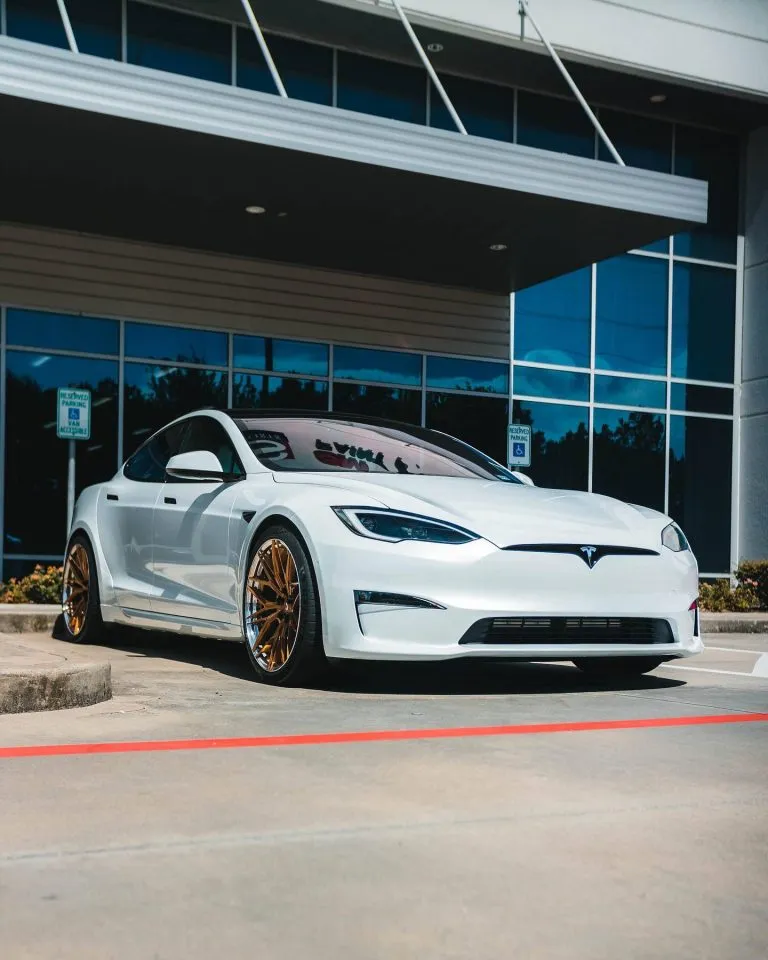
Why Full Front Is the Most Popular Choice in Houston
Full front coverage protects the entire hood, full fenders, bumper and mirrors. The film runs to the edges of each panel, so there is no visible line across the hood.
It is the most popular package among our Houston customers. On I-45, the Beltway or the Grand Parkway, the front of the car takes nearly all the gravel, sand, and tire debris kicked up by other vehicles.
Road debris is not a small problem here. A Houston City Council presentation on road debris noted that the Harris County Toll Road Authority has collected more than 17,000 pieces of debris since 2020, and that TxDOT reports road debris rising about 3% a year.
That is where full front coverage earns its value. You protect the panels most likely to chip without paying to cover a roof that rarely sees an impact.
We walked through this exact decision in a recent full front build for a customer with a new daily driver and a set budget.
Full front is a strong fit if:
- The car is new or recently purchased, and the front paint is still clean.
- You spend a lot of time on Houston highways.
- You plan to keep the vehicle for several years.
Not sure which package fits your car? Tell us what you drive and how you use it, and we will recommend the coverage that makes sense. Get a free quote.
What Is Track Pack PPF and Who Needs It?
Track Pack PPF takes full front coverage and adds the rocker panels and A pillars. These are the next areas debris reaches after the nose of the car.
On our site, this is called the Track Package. The name comes from performance driving, but you do not need to take a car to a track to benefit from it.
Rocker panels sit low and right behind the front tires, so they catch stones thrown back by your own wheels.
A-pillars frame the windshield and take hits from debris that clears the hood. Both areas chip easily and are often skipped in smaller packages.
A track package makes sense when:
- Your car sits low or runs wide, sticky tires that throw more debris along the sides.
- You already see chips along the lower doors or behind the front wheels.
- You drive long freeway miles and want more than front-only protection.
- You own a sports or performance car and care about how the sides look.
If you are deciding between full front and full vehicle, this package is often the sensible middle step.
When Does Full Car PPF Make Sense?
Full car PPF covers every painted panel, including the roof, doors, quarter panels, trunk, and rear bumper. It protects against damage front-only packages miss, like door edge chips, parking lot scuffs, and light scratches.
Our full vehicle coverage uses a seamless edge install. It is also the package we recommend for stealth installs, where matte film gives a gloss car a satin finish across the whole body.
Full coverage is worth it when:
- The car is a luxury, exotic or collector vehicle where resale condition matters.
- You plan to keep the vehicle long term and want the original paint preserved everywhere.
- You want to change the look of the whole car with matte or color film while protecting the paint underneath.
- You park in busy lots or tight garages where door edge chips and scuffs happen often.
One honest limit: PPF protects the paint surface from chips, scratches and staining. It does not stop dents from heavy impacts.
It also will not fix damage already in the paint. If the car has chips or swirl marks, those need attention before the film goes on.
Partial vs Full Front vs Track Pack vs Full Vehicle at a Glance
| Coverage | Partial Front | Full Front | Track Package | Full Vehicle |
|---|---|---|---|---|
| Panels covered | Bumper, partial hood, mirrors | Full hood, fenders, bumper, mirrors | Full front plus rockers and A pillars | Every painted panel |
| Film line on hood | Yes | No | No | No |
| Best for | Tight budgets, short ownership | Most daily drivers | Performance cars, heavy highway use | Luxury, exotic, long-term cars |
| Side protection | None | Front fenders only | Rockers and A pillars | Full sides |
| Relative cost | Lowest | Moderate | Higher | Highest |
| Install time | Shortest | Moderate | Longer | Longest |
What Finish Can a Full PPF Have?
A full PPF install can be finished in high gloss, matte or satin, or color film. Gloss looks like clear factory paint, matte gives a flat finish, and color film changes the paint color.
Finish does not change how well the film protects. Our gloss and matte films offer the same protection and the same warranties, so the choice comes down to the look you want.
A few things to keep in mind:
- Gloss is the most common choice for front packages because it blends into factory paint.
- Matte or satin works best on full vehicle installs or on cars with a factory matte finish. On only the front of a gloss car, the panels will not match.
- Color film is a full vehicle choice, since the goal is to change the color of the whole car.
If you are torn between the two clear options, our breakdown of gloss and matte film covers how each one looks and holds up day to day.
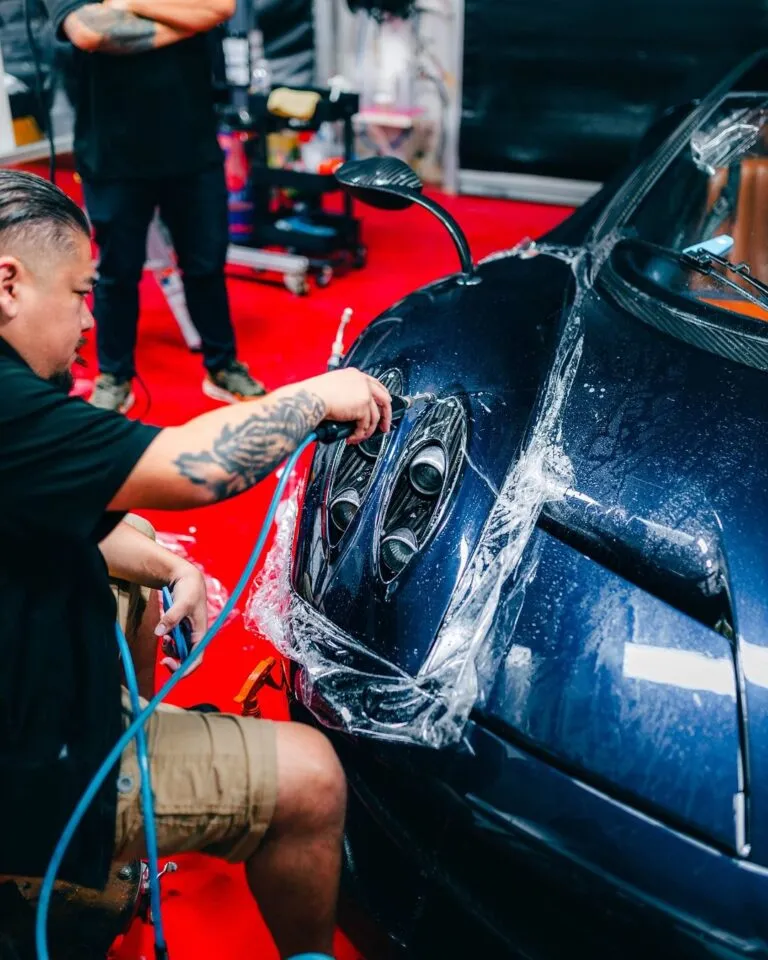
How to Pick the Right Coverage for How You Drive
The right package depends on where you drive, how long you plan to keep the car, and how much the original paint matters to its value.
Price alone is a poor guide, because the cheapest package can leave the panels you care about uncovered. Here are a few common situations we see:
The highway commuter. You drive a new SUV 40 miles a day on I-45 or the Katy Freeway. Full front is the strong pick, and the track package makes sense if grit is already marking the lower doors.
The weekend sports car. The car sees fewer miles but sits low and runs performance tires. A track package covers the rockers and A pillars that take the most abuse.
The long-term luxury vehicle. You plan to keep the car for years, and resale condition matters. Full vehicle coverage protects every panel and keeps the factory paint untouched.
The short-term owner. You expect to trade the car in a year or two. Partial front gives basic protection where chips are most likely without a high upfront cost.
Timing matters too. Most installs take one to three days, depending on the coverage and how complex the vehicle is.
Bigger packages need more time for prep, panel removal and edge work, so plan if you are booking around a new car delivery.
Common Mistakes People Make When Choosing Coverage
Most regret with PPF comes from picking coverage by the lowest quote instead of how the car is actually used. These are the mistakes we see most often:
- Choosing partial front for a highway car. The upper hood and fenders take chips that partial coverage leaves exposed.
- Waiting until the paint is already chipped. Film protects clean paint. It does not hide or fix existing damage.
- Comparing quotes by package name alone. One shop’s partial front may not match another’s, so ask which panels are included.
- Ignoring install quality. Exposed edges, visible seams, and dust under the film can make even full coverage look poor.
That last point is where pricing differences usually come from. Our page on PPF pricing explains how coverage, vehicle size, film type, and install detail shape the final quote.
How We Approach Every Coverage Level at AFS
Coverage level decides which panels get protected. Install quality decides how good they look and how long the film lasts, so our process stays the same for every package size.
Every vehicle we protect goes through the same three-step quality control process:
- A pre-service inspection with you before any work starts.
- A post-wash inspection once the paint is decontaminated.
- A final inspection of every panel and edge before the car leaves.
On the install itself, we:
- Remove badges, trim, and parts wherever it is safe to do so, which allows cleaner edges.
- Wrap edges whenever possible so the film is hard to spot.
- Work in climate-controlled bays with air filtration and deionized water systems to keep dust and contamination out from under the film.
Our team is led by founder Mike Norng, an advanced certified PPF installer and national trainer.
Mike and Bryce Bailey took first place at the 2024 WFR Paint Protection Film Competition, and our facility is a nationally recognized advanced training facility for PPF.
Find the Right PPF Package for Your Car
You do not need to cover the whole car to protect it well. For most Houston drivers, full front coverage stops the damage that matters most.
A track package fills in the sides, and full vehicle coverage makes sense for high-value or long-term cars. The best choice is the one that matches how you drive.
Visit any of our three Houston locations in North Houston, Midtown, or Cypress, or request a free quote, and we will recommend the coverage that fits your car.
Frequently Asked Questions
Is full front PPF worth it over partial front?
For most daily drivers, yes. Full front covers the whole hood and fenders, so there is no visible film line and no bare paint just above the bumper zone where chips often land.
Partial front costs less but leaves the upper hood and fenders exposed, which matters most on highway-driven cars.
Does track pack PPF include the front of the car?
Yes. Our Track Package includes the full front clip and adds the rocker panels and A pillars.
Think of it as full front coverage plus the lower sides and windshield pillars, which are the next areas road debris tends to chip after the nose of the car.
Can I add more coverage later?
Yes, coverage can usually be added later, and many owners start with the front and add rockers or other panels afterward.
The best time to add film is while the paint is still clean, because PPF protects the surface but does not hide chips or scratches already there.
Does full car PPF protect against door dings?
It helps with door edge chips, scuffs and light scratches from parking lots, but it does not stop dents.
PPF is a flexible urethane layer that absorbs surface damage. A heavy impact from another car door can still dent the metal underneath, even when the film itself stays intact.
Auto Film Specialists is your trusted provider of professional window tinting and paint protection film services. We understand the importance of protecting your vehicle’s interior from harmful UV rays and preserving its exterior from damage.
